Endophytic Fungi Research
Exploring bioactive compounds from plant-associated microorganisms at SHRIM Bioinnovation & Research.
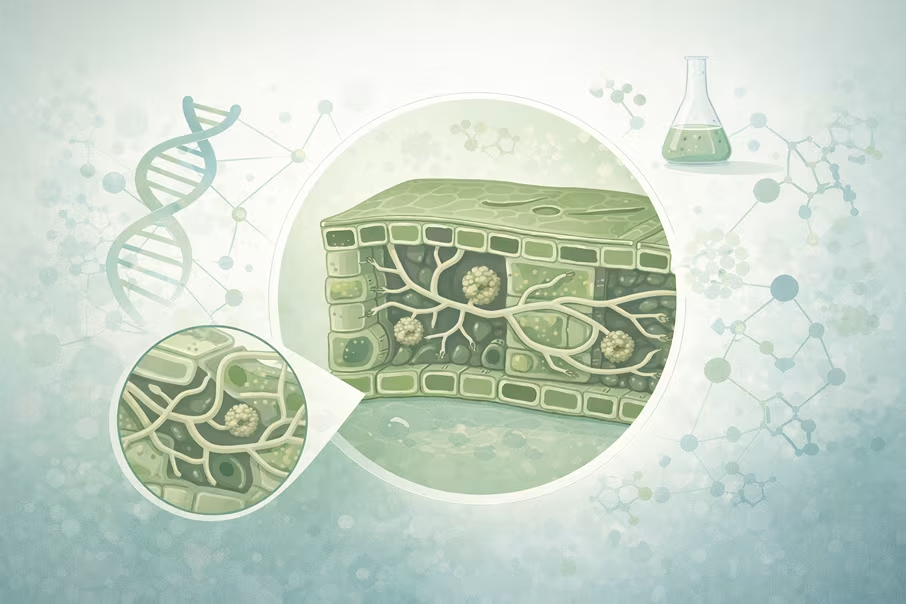
Endophytic fungi are microorganisms that live inside plant tissues without causing harm to the host plant. These fungi are known to produce biologically active compounds with pharmaceutical and agricultural applications.
Research Overview
Isolating and studying endophytic fungi from diverse plant species to unlock their bioactive potential.
These fungi reside within plant tissues and produce biologically active secondary compounds that may serve as a source for novel antimicrobial, antifungal, and pharmaceutical agents — making this one of the most exciting research frontiers in natural product biotechnology.
Research Focus
- Isolation of Endophytic Fungi
- Identification of Fungal Species
- Study of Fungal Metabolites
- Biological Activity Evaluation
Applications
- Antibiotic Compound Discovery
- Pharmaceutical Drug Development
- Agricultural Biotechnology
Why Endophytes Matter
Endophytic fungi represent a largely untapped biological resource for drug discovery. Research in this area can lead to the identification of novel compounds with antimicrobial, anticancer, or immunosuppressive activities — making it one of the most important frontiers in natural product research today. SHRIM actively supports doctoral and postgraduate researchers pursuing such projects.
Frequently Asked Questions
Q. What are endophytic fungi?
Endophytic fungi are microorganisms that live inside plant tissues — in roots, stems, or leaves — without causing visible disease or harm to the host plant. They form symbiotic relationships and often produce unique bioactive compounds.
Q. Why are endophytic fungi important for pharmaceutical research?
Endophytic fungi produce secondary metabolites — including alkaloids, terpenoids, and polyketides — that may possess antimicrobial, antifungal, anticancer, or immunosuppressive activities. They represent a promising and largely unexplored source for new drug leads.
Q. How are endophytic fungi isolated in the laboratory?
Isolation involves surface sterilization of plant tissue, followed by plating on selective growth media. After incubation, emerging fungal colonies are sub-cultured, documented, and subjected to morphological and molecular identification.
Q. Can PhD scholars conduct endophytic fungi research at SHRIM?
Yes. Doctoral scholars working in plant microbiology or natural product research can conduct endophyte isolation and metabolite studies at SHRIM with access to our microbiology and molecular biology infrastructure.