Plant Tissue Culture Lab
Advanced plant biotechnology research and in-vitro micropropagation at SHRIM Bioinnovation & Research.
The Plant Tissue Culture Laboratory focuses on in-vitro plant propagation and biotechnology research. Through controlled laboratory conditions, plant tissues are cultured to study plant development, genetic stability, and large-scale plant multiplication — including commercial production of the Banana G9 variety.
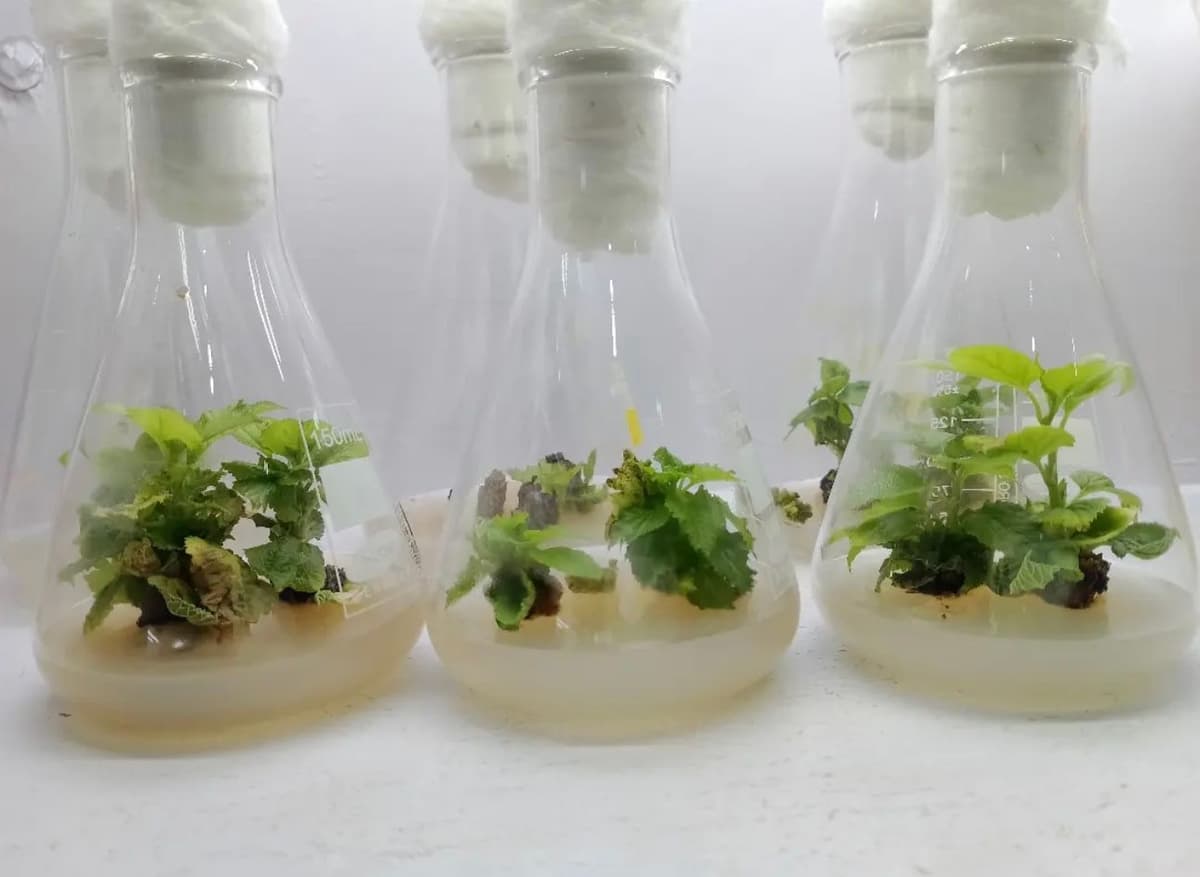
What is Plant Tissue Culture?
A technique used to grow plant cells, tissues, or organs in sterile laboratory conditions on nutrient culture media.
This method enables researchers to produce genetically identical plants and conduct experimental studies related to plant physiology, genetic stability, and large-scale propagation — without dependence on seasonal cycles or seeds.
Research Areas
- Callus Culture
- Suspension Culture
- Micropropagation Techniques
- Plant Growth Regulation Studies
- Plant Biotechnology Research
- Plant Genetic Stability Analysis
Applications
- Agricultural Biotechnology
- Crop Improvement Research
- Conservation of Rare Plant Species
- Commercial Plant Propagation
- Genetic Studies in Plants
Lab Facilities
- Laminar Airflow Systems
- Culture Media Preparation Area
- Controlled Incubation Chambers
- Sterilization Equipment
- Experimental Plant Growth Facilities
Training Opportunities
Students and researchers gain hands-on experience in the following practical disciplines:
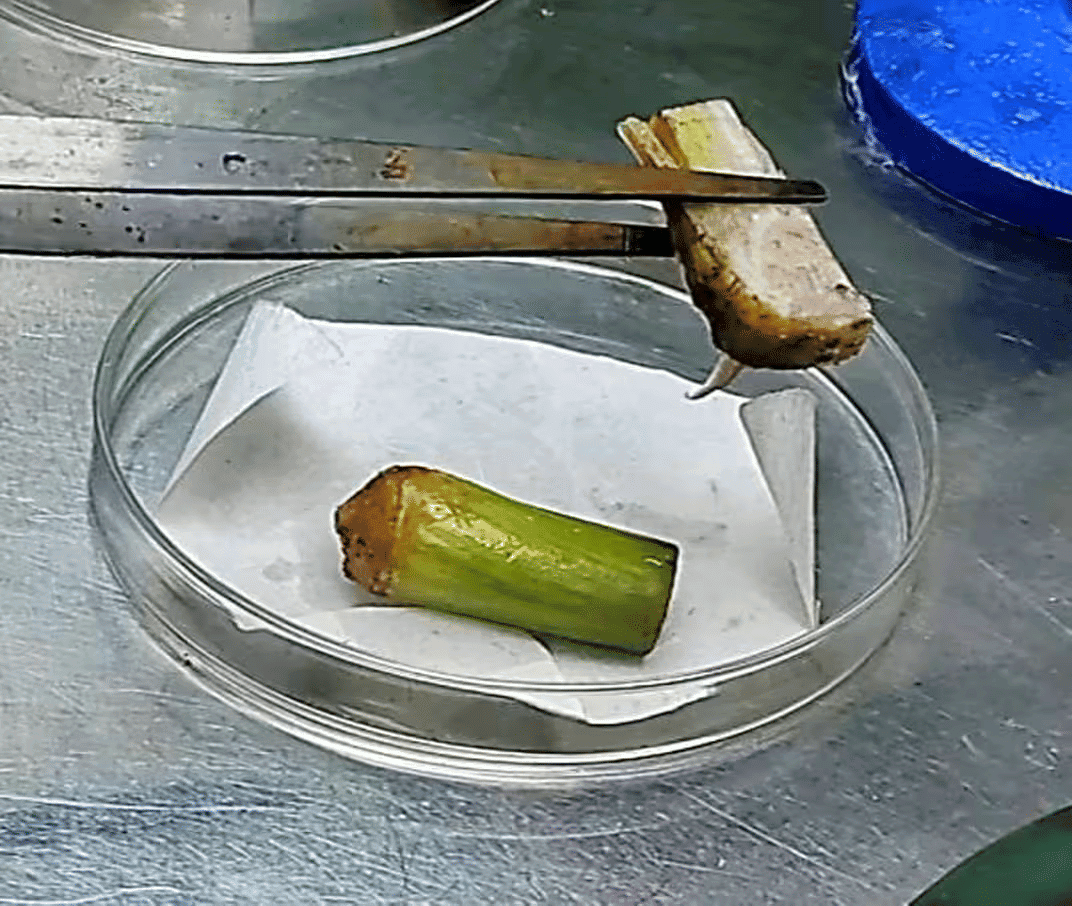
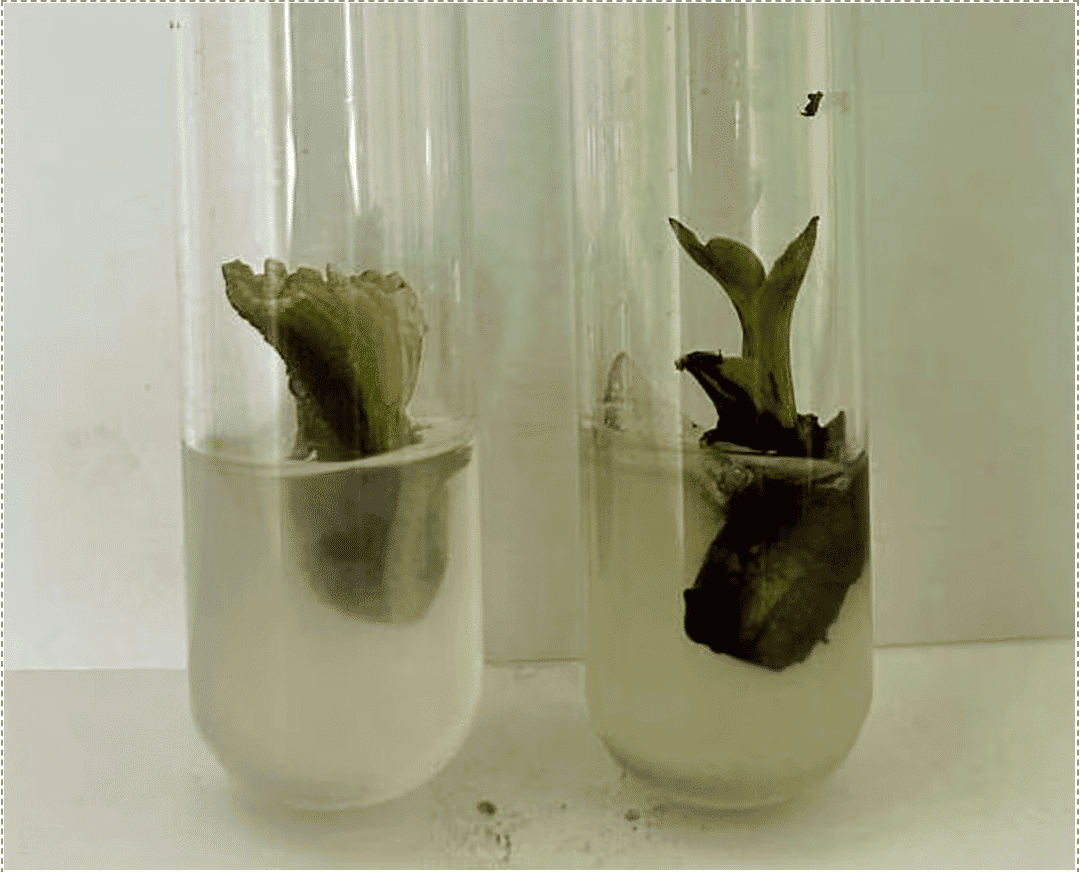
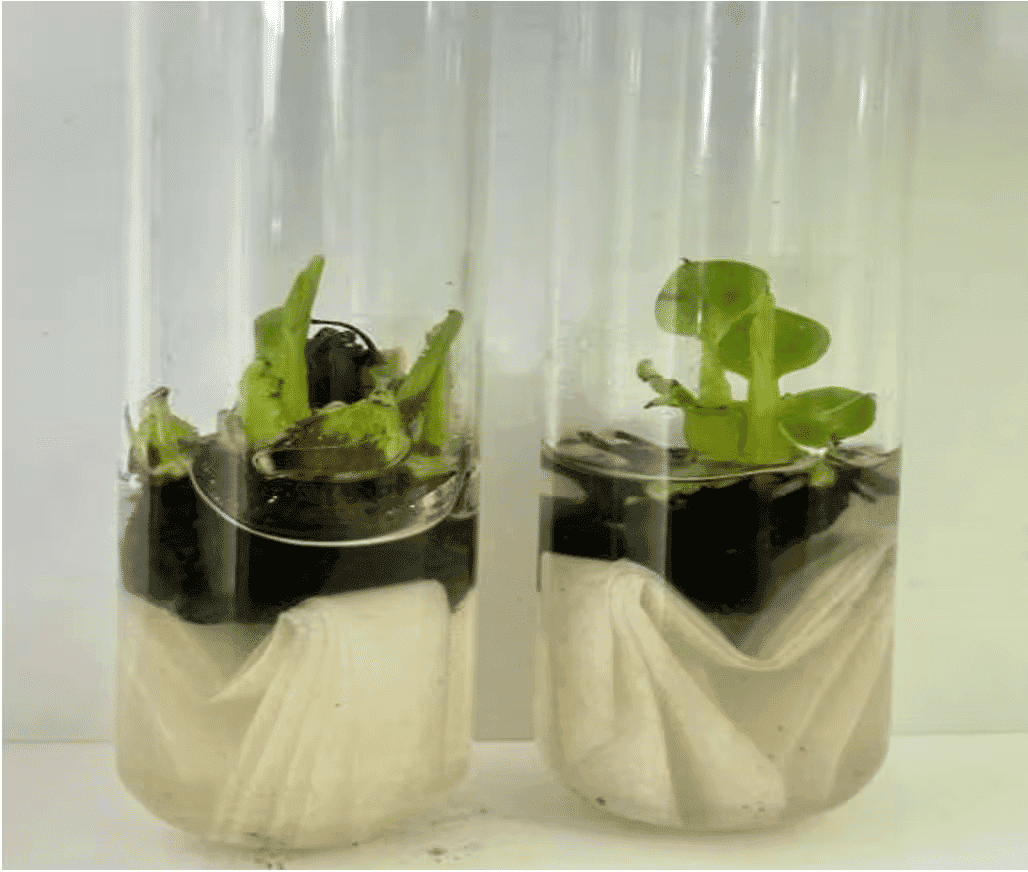
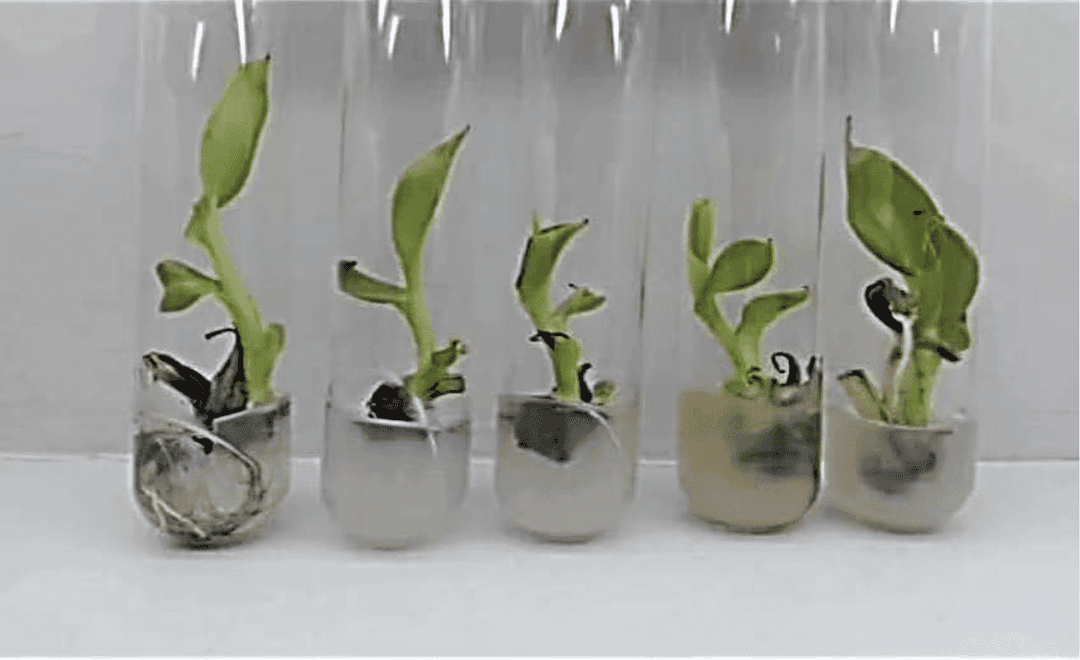
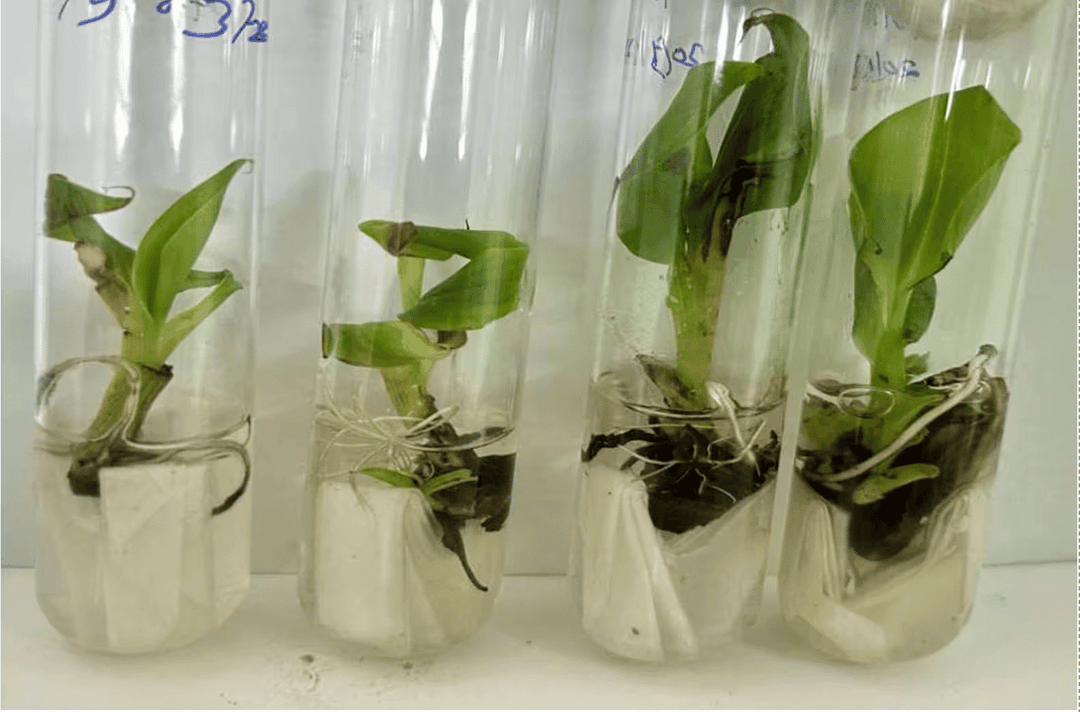
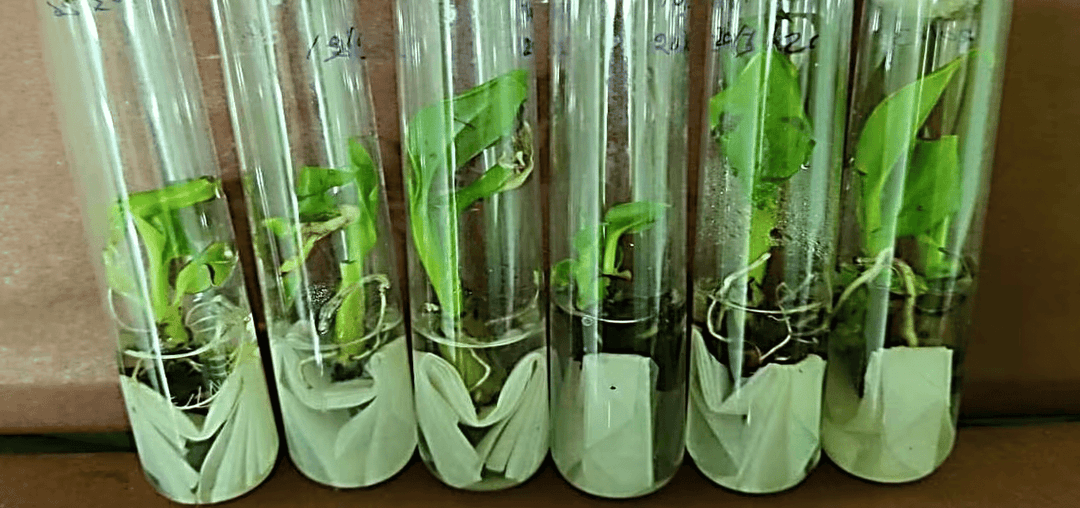
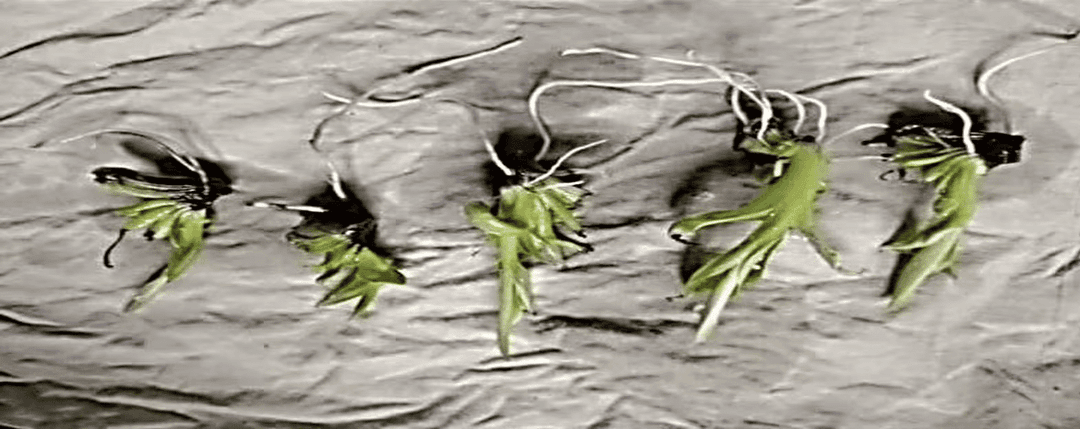
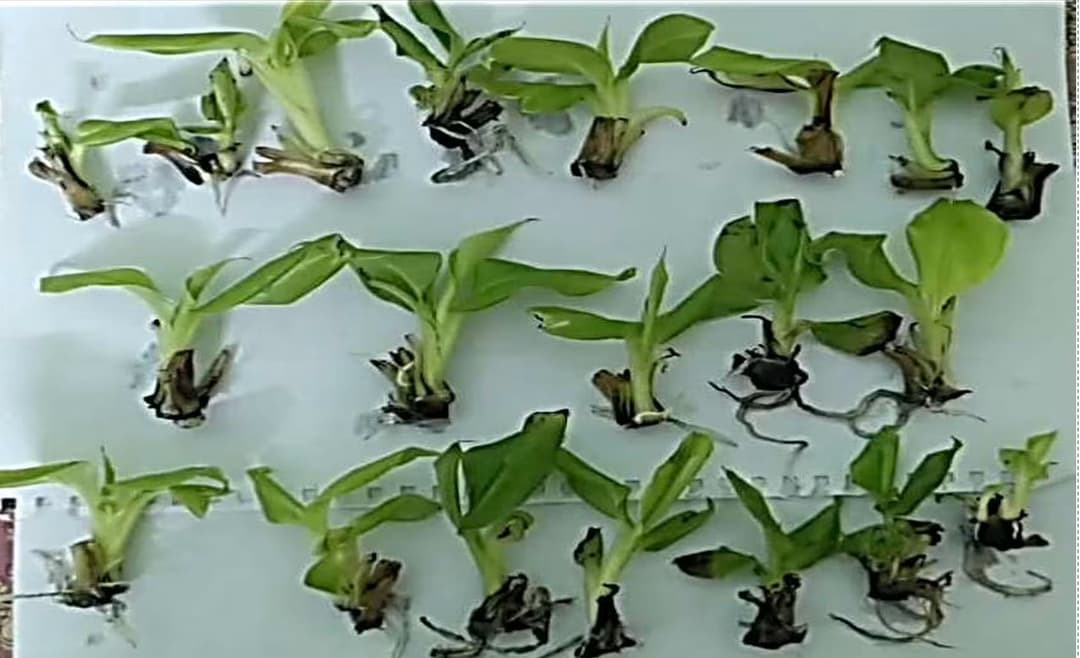
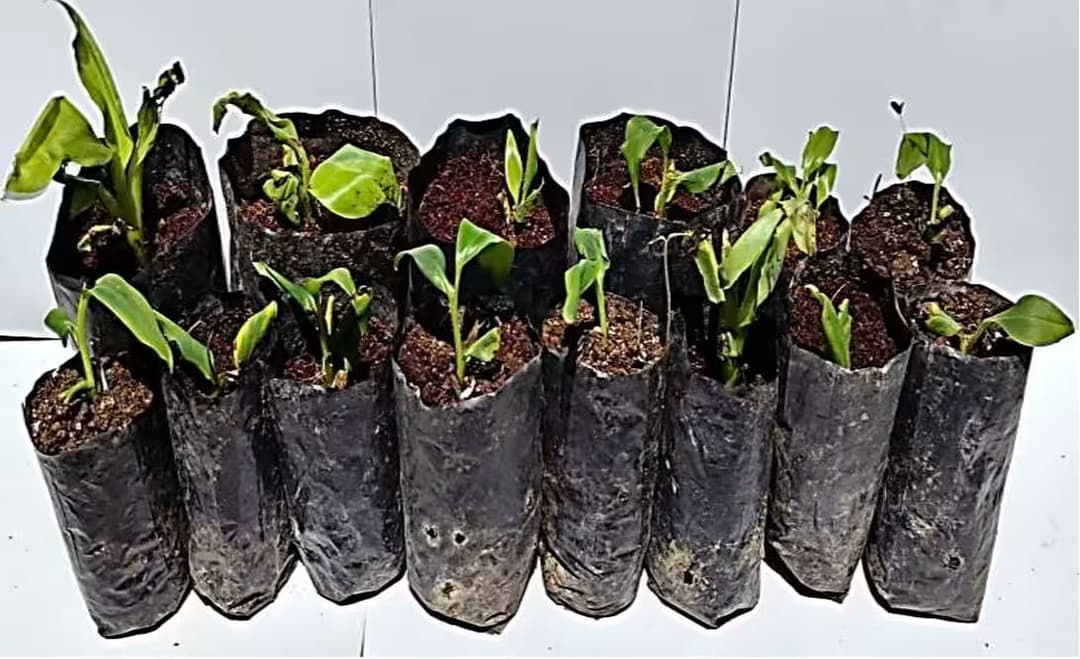
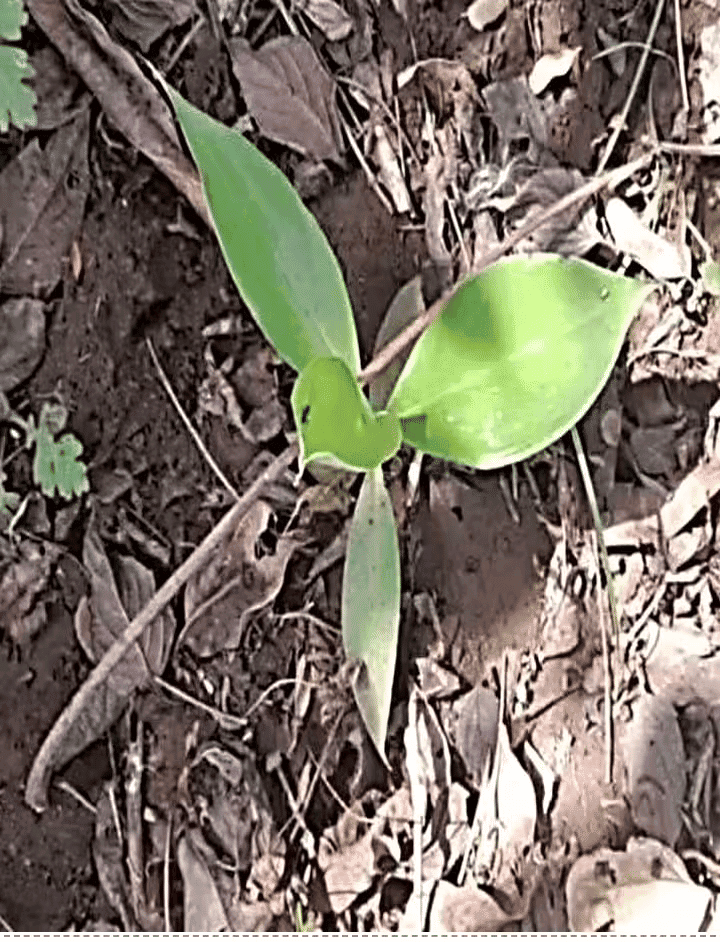
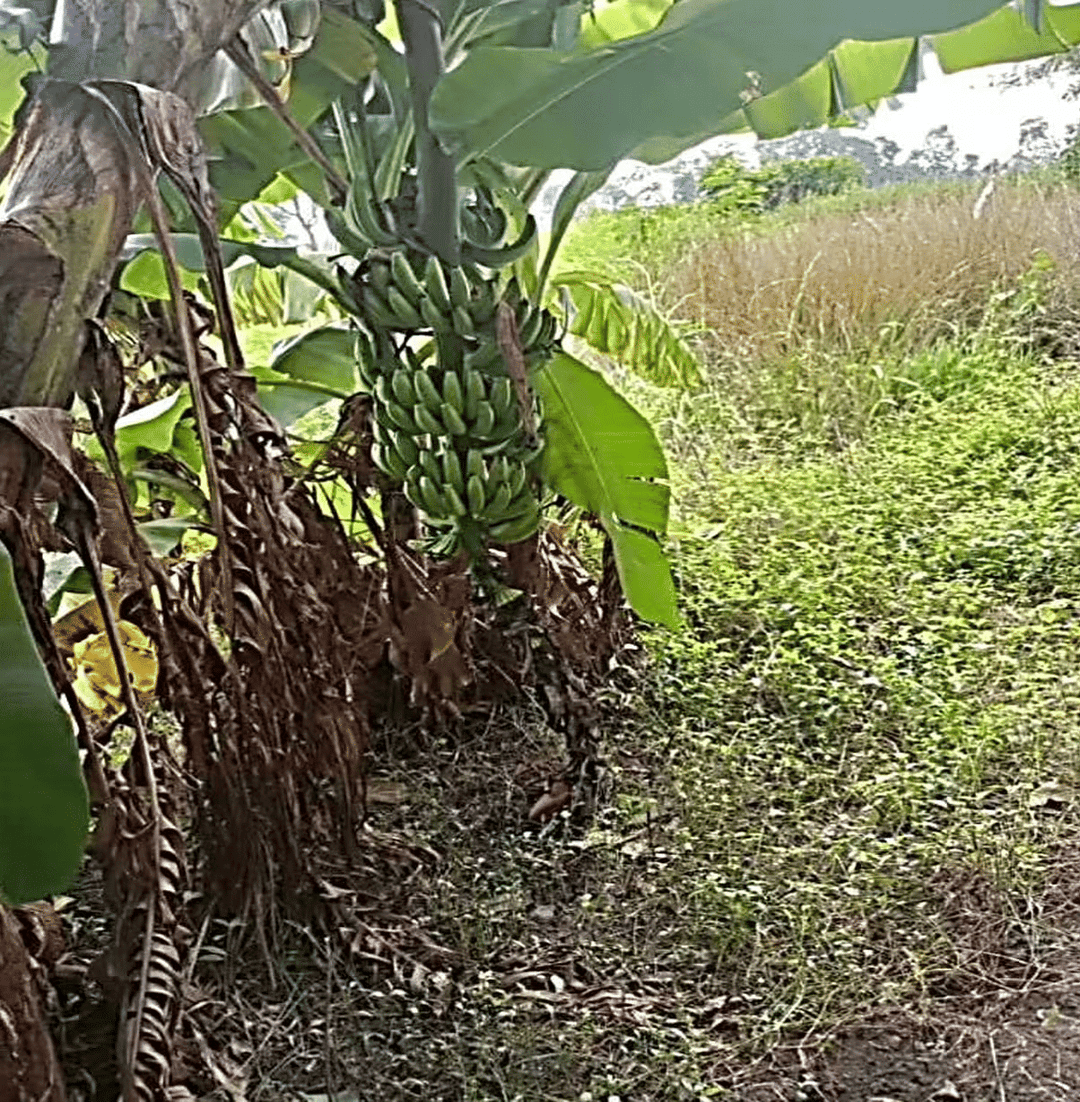
Stages of Plant Growth
Our laboratory documents and monitors each phase of plant development in sterile culture conditions, ensuring optimal growth and genetic stability.
Frequently Asked Questions
Q. What is plant tissue culture?
Plant tissue culture is a laboratory technique used to grow plant cells, tissues, or organs in sterile, nutrient-rich media under controlled conditions. It enables rapid, genetically uniform multiplication of plants without depending on seeds or seasonal cycles.
Q. What plants can be cultured in the SHRIM laboratory?
The laboratory works with a range of plant species including medicinal plants, commercially important varieties, and research specimens. Currently, the lab is actively involved in the commercial propagation of the Banana G9 variety.
Q. Is training available for students in plant tissue culture?
Yes. SHRIM offers dedicated Laboratory Training and Internship Programs where students get hands-on experience in media preparation, sterilization, callus induction, and full plant regeneration protocols.
Q. What educational background is required for tissue culture training?
Students from B.Sc. or M.Sc. backgrounds in Botany, Biotechnology, Agriculture, or related life sciences fields can enrol for the training program. No prior laboratory experience is required.
Q. How does plant tissue culture help in crop improvement?
Tissue culture enables researchers to produce disease-free, high-yielding plant varieties at scale. It also supports genetic uniformity studies and the conservation of rare or endangered plant species unavailable through traditional propagation.