Soil & Water Profiling
Environmental biotechnology and resource analysis at SHRIM Bioinnovation & Research, Jabalpur.
Soil and water profiling is an active research area focused on analysing environmental resources for agricultural and ecological applications. The laboratory conducts experimental studies on soil composition, water quality, and the phytochemical characteristics of environmental samples.
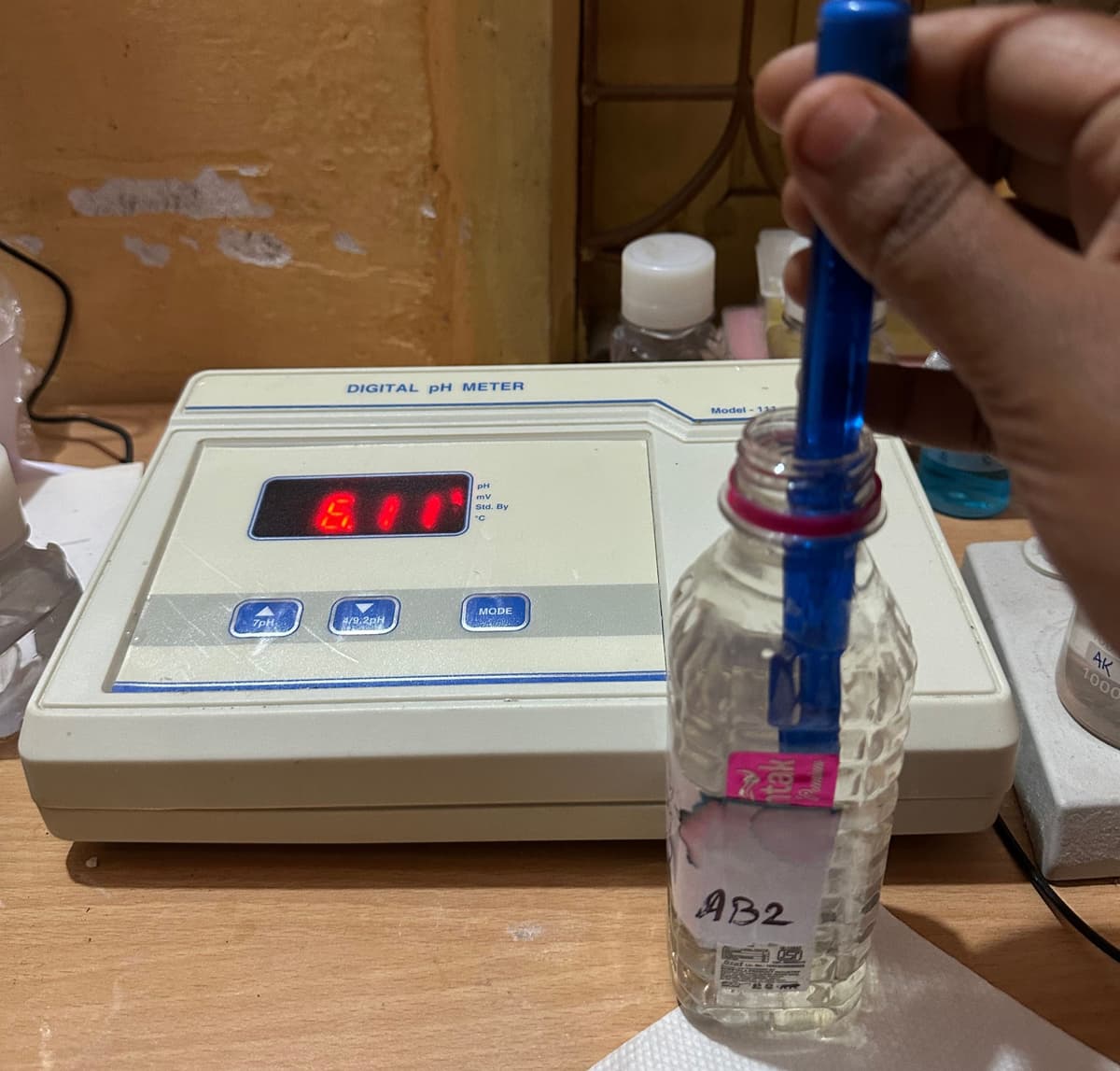
Research Overview
Analysing environmental resources to support sustainable agriculture and ecological health.
This research area bridges environmental science and biotechnology, generating data that can directly benefit agriculture, land management, and ecological conservation efforts in Central India and beyond.
Research Activities
- Soil Nutrient Analysis
- Water Quality Testing
- Environmental Sample Profiling
- Agricultural Biotechnology Research
- Phytochemical Profiling of Soil Samples
Applications
- Sustainable Agriculture
- Environmental Monitoring
- Resource Management
- Agricultural Biotechnology Studies
Current Initiative
The laboratory is actively involved in projects on soil, water and phytochemical profiling in collaboration with IGNTU, Amarkantak.
Broader Research Impact
Soil and water quality directly determines the productivity of agricultural land and the health of surrounding ecosystems. Research at SHRIM in this domain contributes to building a scientific evidence base for sustainable farming practices, water conservation strategies, and environmental protection in central India.
Frequently Asked Questions
Q. What parameters are tested in soil profiling?
Soil profiling at SHRIM includes analysis of macronutrients (nitrogen, phosphorus, potassium), micronutrients, pH levels, organic matter content, and microbial population density. These parameters collectively indicate soil health and agricultural suitability.
Q. What does water quality analysis involve?
Water quality analysis assesses physical, chemical, and biological characteristics of water samples — including pH, turbidity, dissolved oxygen, microbial contamination, and presence of heavy metals or agricultural runoff chemicals.
Q. How does soil and water research help agriculture?
By understanding the nutrient composition and contamination levels of soil and water, farmers and agricultural institutions can make better decisions about fertilisation, irrigation, and crop selection — leading to improved yields and reduced environmental impact.
Q. Is soil and water profiling an ongoing project at SHRIM?
Yes. SHRIM is currently involved in an active research initiative on soil, water, and phytochemical profiling in collaboration with academic institutions. This research generates data relevant to both scientific publication and regional agricultural advisory work.
Q. Can research scholars work on this project at SHRIM?
PhD and MSc students interested in environmental biotechnology and agricultural science are welcome to engage with this research area at SHRIM, under the supervision of Dr. Mamta Gokhale and the research team.